Joint International Symposium on Artificial Intelligence: Frontiers in Intelligent Technologies
Event Date: 1st September, 2026 to 3rd September, 2026
Event brief description
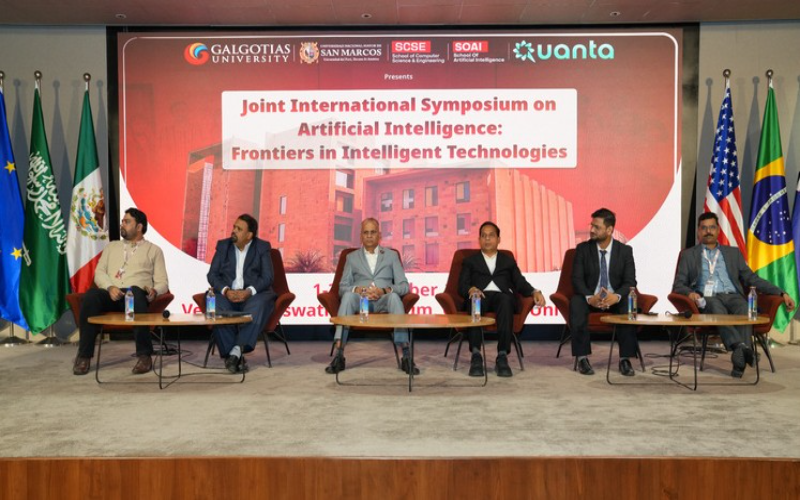
The Joint International Symposium on Artificial Intelligence: Frontiers in Intelligent Technologies, organized from 1st to 3rd September 2026 by the Department of Artificial Intelligence and Data Science, School of Computer Science and Engineering, and School of Artificial Intelligence, Galgotias University, brought together academicians, researchers, industry professionals, technology experts, and students from India and abroad. The symposium provided an international platform for knowledge sharing, research dissemination, interdisciplinary interaction, and collaboration in emerging areas of Artificial Intelligence.
The three-day programme featured keynote addresses, expert talks, and research presentations covering contemporary AI technologies and applications. Major themes included Quantum Computing, Agentic Large Language Models, Foundation Models, AI Agents, Explainable AI, Digital Twins, Cloud Computing, Cybersecurity, Blockchain, and Federated Learning. Significant attention was also given to AI in Education, teaching pedagogy, adaptive learning, and predictive modelling of student performance.
The symposium emphasized responsible, ethical, secure, and trustworthy AI, addressing areas such as AI liability, digital ethics, and cybersecurity. Healthcare and sustainability were highlighted through research on medical imaging, diagnostic radiology, medication shortages, and green computing.
International participation, particularly from Universidad Nacional Mayor de San Marcos, Peru, strengthened global academic collaboration. Overall, the symposium promoted innovation, knowledge exchange, responsible AI development, and meaningful international cooperation.
Event Detailed Description
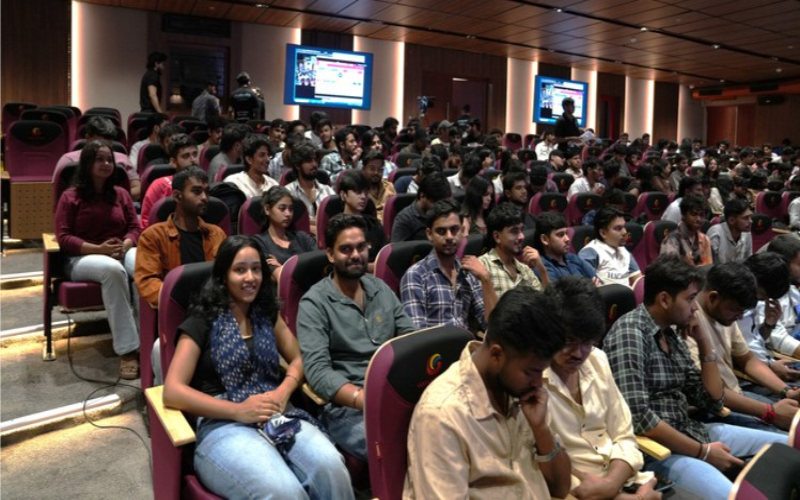
The Joint International Symposium on Artificial Intelligence: Frontiers in Intelligent Technologies, held from 1st to 3rd September 2026, served as a significant academic and professional gathering focused on the latest developments in Artificial Intelligence and intelligent technologies. Organized by the Department of Artificial Intelligence and Data Science, School of Computer Science and Engineering, and School of Artificial Intelligence, Galgotias University, the event brought together researchers, academicians, industry experts, technology professionals, and students. It created an effective platform for sharing research findings, exchanging ideas, discussing emerging technological trends, and establishing opportunities for academic and professional collaboration.
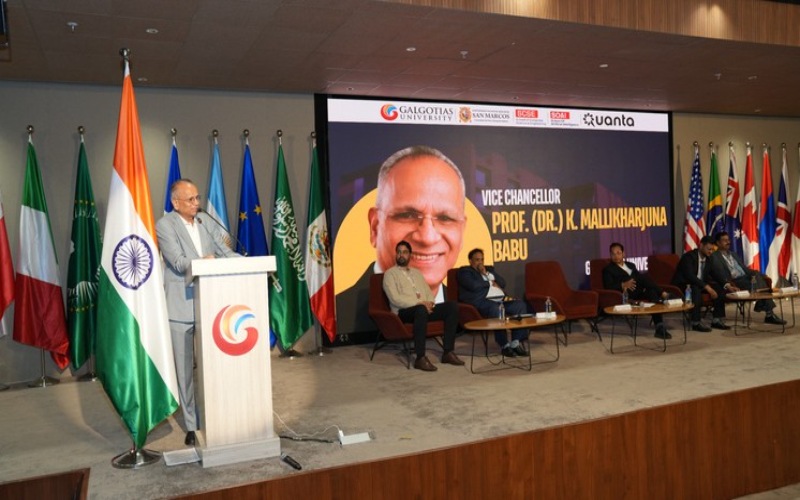
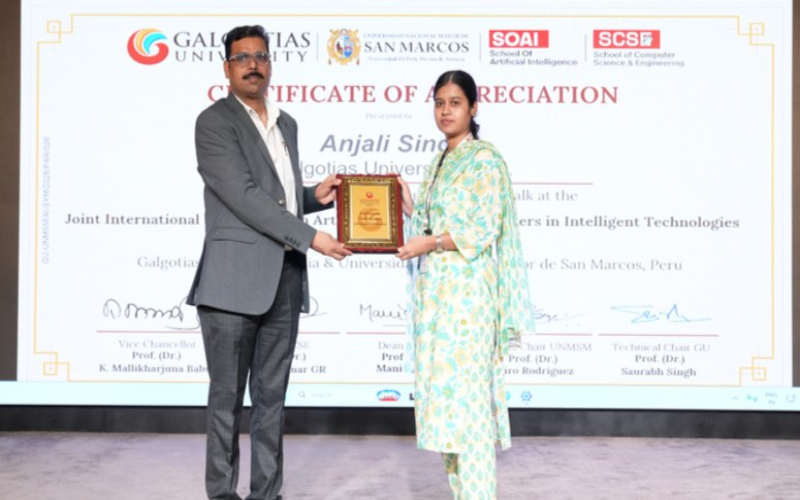
The symposium began with an inaugural programme that included addresses from the Symposium General Chair and Technical Chair, along with the Pro-Vice Chancellor of Galgotias University. The participation of Prof. Ciro Rodriguez, Symposium Technical Chair from Universidad Nacional Mayor de San Marcos (UNMSM), Peru, strengthened the international character of the event. The inaugural session also featured the Presidential Address by Prof. (Dr.) K. M. Babu, Hon'ble Vice Chancellor, Galgotias University, emphasizing the growing importance of technological innovation, advanced research, and responsible development in the field of AI.
A diverse range of keynote lectures, expert sessions, and research presentations formed the core of the three-day programme. Eminent speakers representing institutions from India, the United States, the United Kingdom, Australia, Taiwan, the United Arab Emirates, and Peru shared their perspectives on the changing landscape of AI. The sessions provided participants with insights into current research directions, practical applications, technological opportunities, and emerging challenges associated with intelligent systems.
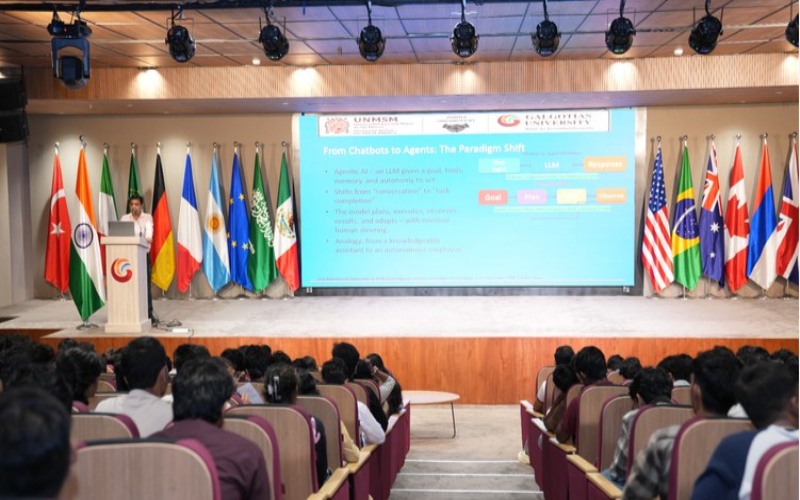
Several advanced areas of AI were explored during the symposium, including quantum computing, foundation models, agentic large language models, AI agents, explainable AI, digital twins, cloud-based AI, blockchain, federated learning, and Edge AIoT systems. Particular attention was given to the transition from conventional conversational AI toward autonomous systems capable of performing tasks, making decisions, and pursuing defined objectives. These discussions highlighted the increasing role of intelligent technologies in transforming different sectors and applications.
The symposium also examined the growing influence of AI in education and teaching. Sessions addressing AI for education and AI-supported teaching pedagogy explored how intelligent technologies can contribute to improved learning experiences, academic assistance, instructional practices, and personalized education. Research involving adaptive learning systems and prediction of student academic performance and retention further demonstrated the potential of AI to address educational challenges through data-driven approaches.
An important component of the symposium focused on ethical, legal, and responsible AI. Discussions concerning AI liability examined accountability issues arising from algorithm-driven and increasingly autonomous systems, while the session on Digital Ethics highlighted the need for responsible decision-making, ethical design, appropriate governance, and trustworthy deployment of AI technologies. Cybersecurity-related sessions further addressed the importance of protecting intelligent digital environments against emerging threats.
The programme also showcased socially relevant applications of AI in healthcare and sustainability. Topics related to medical imaging, diagnostic radiology, green computing, and digital twins for managing medication shortages demonstrated how intelligent technologies can contribute to efficient healthcare delivery and better resource utilization.
International contributions from UNMSM, Peru enriched the symposium through research on healthcare, Edge AIoT, digital twins, AI agents, adaptive learning, and related intelligent systems. Overall, the symposium encouraged international knowledge exchange, interdisciplinary research, innovation, and responsible technological advancement, reinforcing the importance of developing AI that is secure, transparent, ethical, sustainable, reliable, and beneficial to society.
Department Name –Department of Artificial Intelligence and Data Science, School of Artificial Intelligence
Event Outcome
- Enhanced Knowledge and Awareness: Participants gained exposure to recent developments, research trends, and emerging applications of Artificial Intelligence through keynote addresses, expert talks, and research presentations covering advanced areas of AI and intelligent technologies.
- International Academic Collaboration: The participation of experts and researchers from India and international institutions, particularly Universidad Nacional Mayor de San Marcos (UNMSM), Peru, strengthened opportunities for cross-border academic interaction, knowledge exchange, and future research collaboration.
- Exposure to Emerging AI Technologies: The symposium facilitated understanding of frontier technologies such as Quantum Computing, Agentic Large Language Models, Foundation Models, AI Agents, Explainable AI, Digital Twins, and AI-enabled cloud computing.
- Promotion of AI in Education: Discussions and research presentations highlighted the potential of AI for improving teaching practices, adaptive learning, and student performance analysis, encouraging participants to explore technology-enabled educational solutions.
- Strengthened Focus on Responsible AI: The event encouraged greater awareness of ethical, legal, security, and accountability considerations associated with AI. Sessions on AI liability, cybersecurity, digital ethics, and distributed learning highlighted the importance of trustworthy and responsible AI development.
- Industry–Academia Interaction: Participation from industry professionals and technology organizations, including Accenture and Experion, provided perspectives connecting academic research with practical technological applications and industry requirements.
- Application-Oriented Research Exposure: Participants were introduced to practical AI applications in areas including healthcare, cybersecurity, cloud optimization, medical imaging, medication management, and intelligent learning systems, demonstrating the societal and industrial relevance of AI research.
- Research and Innovation Encouragement: The symposium created an environment for researchers and students to present emerging ideas, exchange technical perspectives, identify research opportunities, and encourage further innovation in intelligent technologies.
- Multidisciplinary Engagement: By bringing together perspectives from computing, education, healthcare, cybersecurity, ethics, law, business analytics, and cloud technologies, the event encouraged interdisciplinary approaches to solving contemporary technological challenges.
- Foundation for Future Collaboration: The interactions established during the symposium provided a basis for strengthening institutional networks, developing collaborative research initiatives, sharing expertise, and pursuing future academic and professional engagements.
Related Goal