
Latest Trends of Neuroscience and AI in Ayurveda
Event Date: 13th June 2025
Event brief description
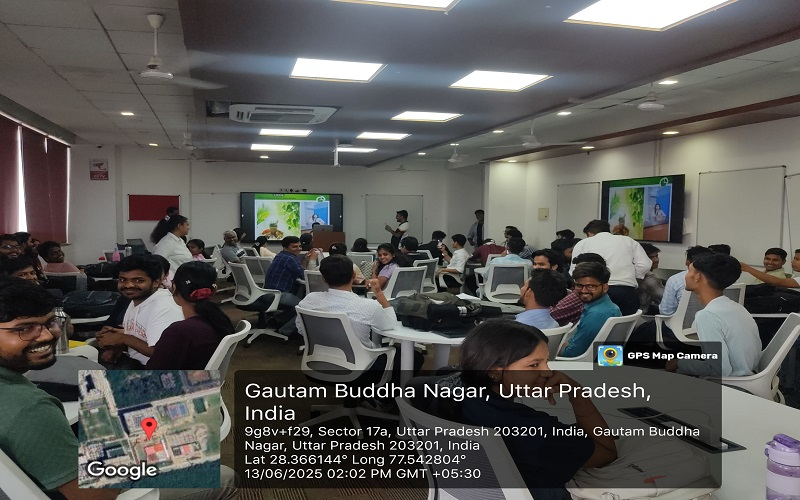
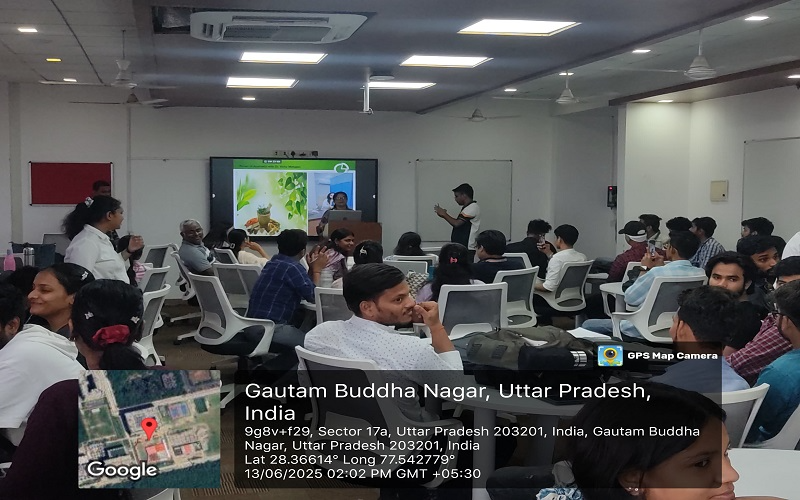
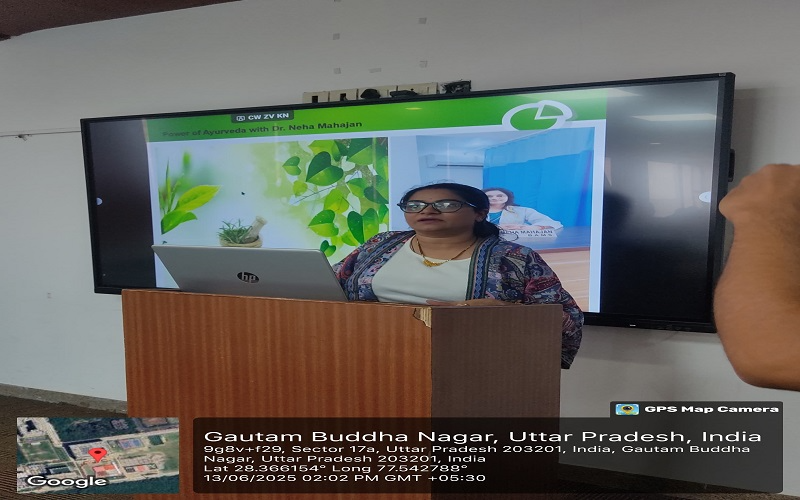
School of Computer Appliaction and Technology successfully conducted an expert talk titled “Latest Trends of Neuroscience and AI in Ayurveda” on 13th June 2025 in Room C-101, aimed at exploring the convergence of traditional Ayurvedic wisdom with modern technological advancements. The session was led by Dr. Neha Mahajan, a renowned Ayurvedic practitioner and researcher, who delivered a highly insightful session that bridged ancient healing systems and contemporary innovations.
Dr. Mahajan focused on various dimensions of Ayurveda, including Ayurvedic research methodologies, market strategies, and government involvement in developing the Ayurvedic pharmaceutical sector. She emphasized the importance of maintaining the balance of the three pillars of health—food, sleep, and sex—as described in ancient texts.
The talk also explored the integration of AI in Ayurveda, with real-world applications in herbal drug discovery, treatment customization, and the use of platforms like NutrifyGenie for product formulation. The session was well-received by students and faculty alike, offering fresh perspectives on how Neuroscience and AI are transforming Ayurveda into a data-backed, global healthcare system.
Event Detailed Description
The School of Computing and Technology (SCAT) at Galgotias University hosted an expert talk on 13th June 2025 titled “Latest Trends of Neuroscience and AI in Ayurveda”. The session took place in Room C-101 and was delivered by Dr. Neha Mahajan, an accomplished Ayurvedic clinical psychologist and practitioner, widely known for her contributions to Ayurvedic research, education, and public health awareness.
Dr. Mahajan opened the session by emphasizing the power of Ayurveda and its holistic approach to health and well-being. She discussed the current status of Ayurvedic research, the need for structured methodologies, and future strategies for integrating traditional knowledge with modern scientific practices. A major part of her talk focused on the three pillars of life as per Ayurvedic scriptures—Ahara (food), Nidra (sleep), and Brahmacharya (controlled energy use)—noting that a proper balance among these elements ensures a
disease-free and long life. All Ayurvedic treatment protocols, she explained, are rooted in restoring this balance.
She also addressed significant advancements in the Ayurvedic pharmaceutical sector, highlighting the quality improvement of herbal drugs, Ayurveda market research, literature upgradation, and the revalidation of clinical trials to bring traditional medicine to modern global standards. Dr. Mahajan spoke in depth about the active involvement of the Indian government, increased sponsorship, and financial support aimed at boosting Ayurveda's commercial and therapeutic reach.
A particularly fascinating section of the talk was devoted to the role of Artificial Intelligence in Ayurveda. Dr. Mahajan explained how AI has moved beyond research labs into commercial Ayurvedic applications. AI tools are now being used to analyze bioactive compounds in medicinal plants, map them to biochemical pathways, and determine their therapeutic uses. This not only helps in formulating new and effective Ayurvedic products but also ensures accurate dosage recommendations and enhanced safety. She cited NutrifyGenie as a prominent example—an AI-based tool assisting in the creation of personalized wellness solutions and bridging the gap between Ayurveda and modern lifestyle diseases.
The session also touched on the fusion of Neuroscience and Ayurveda, particularly in understanding how Ayurvedic practices like meditation, diet, and herbal formulations influence brain health, stress management, and mental clarity. Dr. Mahajan emphasized that blending ancient mind-body healing techniques with neuroscience insights can offer transformative solutions to modern health issues.
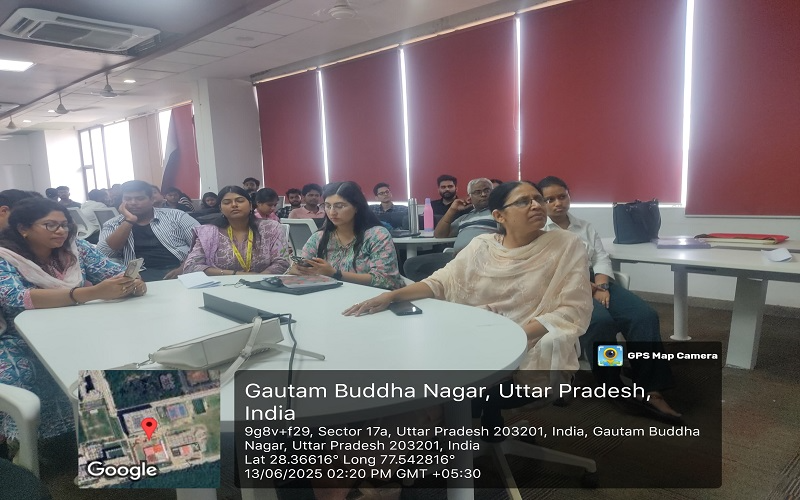
An interactive Q&A session followed, where students and faculty showed great interest in learning how they could incorporate Ayurvedic principles into their lives and research. Questions ranged from Ayurvedic education to opportunities in AI-driven healthcare, and Dr. Mahajan responded with practical advice and thoughtful insights.
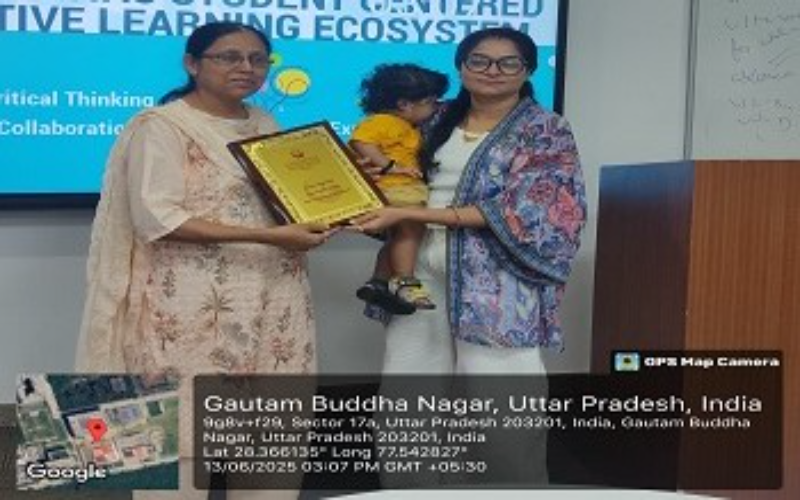
The session concluded with a vote of thanks, acknowledging Dr. Mahajan’s depth of knowledge and her efforts to promote Ayurveda in contemporary contexts. The event left students inspired and faculty members eager to integrate such interdisciplinary knowledge into academic discussions. It was a remarkable step toward holistic, tech-enabled healthcare education.
Department Name – Computer Application and Technology
Event Outcome
The expert talk on “Latest Trends of Neuroscience and AI in Ayurveda”, hosted by SCAT at Galgotias University, proved to be a highly enriching and interdisciplinary experience. Students and faculty gained valuable insights into how modern technologies like Artificial Intelligence and Neuroscience are being integrated with traditional Ayurvedic practices to create personalized, data-driven healthcare solutions. The session sparked curiosity among attendees, leading to thoughtful questions and discussions on research, implementation, and career opportunities in this emerging field. Participants appreciated the clarity and relevance of the content, and many expressed a renewed interest in exploring Ayurveda through the lens of technology, making the session a successful step toward promoting holistic and innovative education.
Related Goal