
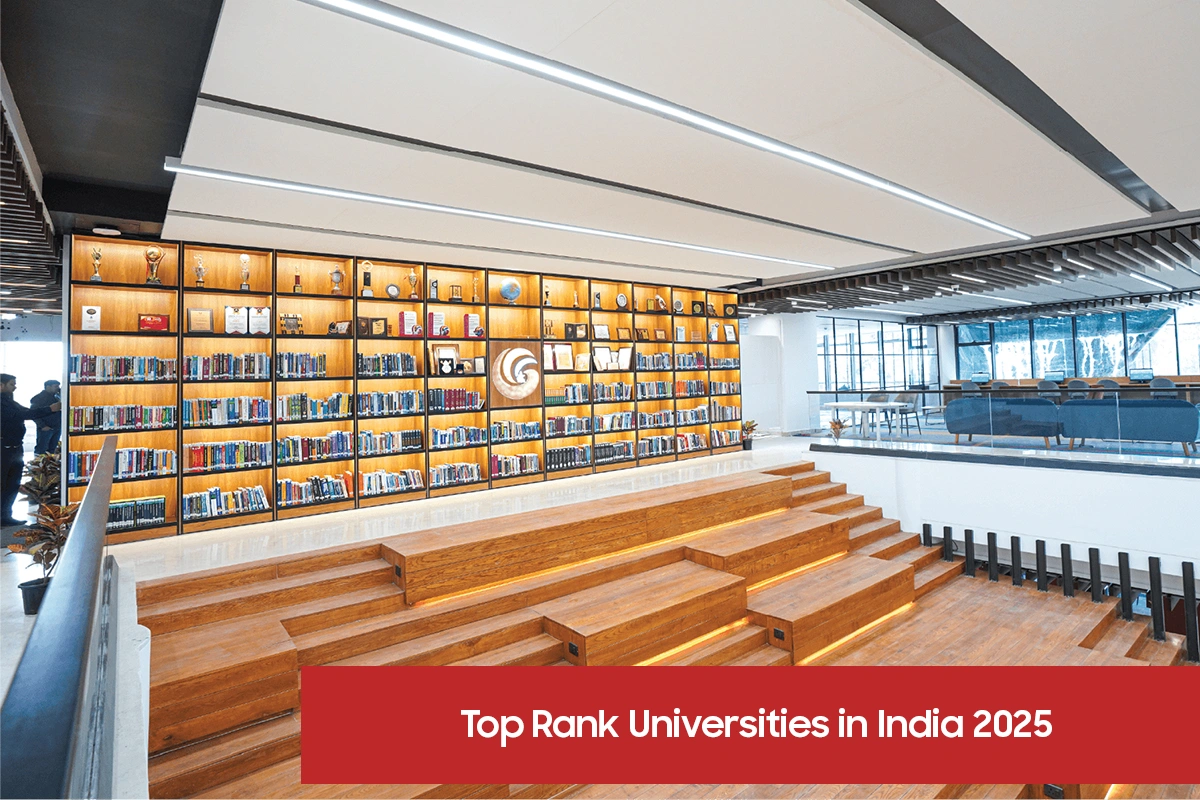
Top Rank Universities in India 2025
Higher education in India is growing at a rapid pace. Many institutes compete for the top ranks. This is because rankings help learners choose the right university. Rankings in 2025 focus on countless facets. They consider research output, teaching quality, infrastructure, and more. This blog will provide you with information about the top-ranked universities in India, the main ranking criteria, and more.
The Main Ranking Criteria for Institutes in 2025
Teaching and Learning
Top-ranked universities have strong teaching methods. They use interactive classes and modern tools. Faculty members are well-qualified and aware of the latest trends in their fields. Laboratories are up to date. Class sizes are balanced to ensure attention for each student. Teaching quality is assessed through feedback from students and external experts.
Research and Innovation
Research output is a major factor in the 2025 rankings. Universities publish papers in reputed journals and receive patents for new inventions. Funding for research projects is high. Collaboration with industry and government bodies is common. Students and faculty work on real-world problems. Innovation parks and incubation centres support startups. All these factors boost a university’s research profile.
Infrastructure and Facilities
Modern campuses contribute to top-rank status. Libraries have vast digital and physical collections. Laboratories for science and engineering meet global standards. Art studios, music rooms, and sports complexes are well-maintained. Hostels provide safe and comfortable living. Wi-Fi and smart classrooms are available across campus. Green spaces and recreational areas enhance student well-being.
Faculty Credentials
A top ranked university in india recruits faculty with strong academic backgrounds. Many hold PhDs from reputed institutions. They have teaching experience and research records. Visiting professors from global universities add value. Faculty attend conferences and workshops regularly. They guide students in research and projects. Continuous training ensures teachers stay updated. These factors raise the overall academic standard.
Industry Interface and Placements
In 2025, campus placements play a key role. Top-ranked universities build strong ties with companies. Regular campus drives offer job opportunities across sectors. Internship programmes start in early semesters. Industry-funded workshops and labs help all learners develop practical skills. Industry experts deliver guest lectures and mentor students. This strong connection guarantees higher placement rates and excellent salary packages.
Internationalisation
Global collaborations feature in the top ranks. Universities sign MOUs with foreign institutions. Exchange programmes allow students to study abroad. Joint research projects bring global exposure. Visiting global faculty and scholars enrich campus life. Global seminars and conferences invite professionals from across the world. All these activities enhance the global footprint of the institute.
Student Diversity and Inclusion
Diversity is a key factor in the 2025 rankings. Top universities attract students from different states and countries. Scholarships and financial aid support underprivileged students. Special programmes assist students with disabilities. Cultural clubs and student associations promote inclusivity. Students learn from peers with varied backgrounds, creating a vibrant learning environment.
Community Engagement and Social Impact
A top ranked university is known for giving back to society. They run outreach programmes in rural areas. Faculty and students work on projects that solve local problems. Free medical camps, legal aid clinics, and skill training centres are common. This social impact is a crucial ranking parameter. It reflects how a university contributes to national development.
Ranking Frameworks and Surveys
There are several methods by which private colleges are ranked:
National Institutional Ranking Framework (NIRF)
The NIRF is India’s official ranking system. It evaluates parameters such as teaching, research, graduation outcomes, outreach, and inclusivity. NIRF publishes rankings across various categories including overall universities, engineering, management, and more. Many institutions aim to improve their NIRF scores each year.
QS World University Rankings (QS WUR)
QS WUR assesses universities globally. It considers citations per faculty, the student-faculty ratio, and academic reputation. Indian institutes listed in the QS rankings focus on enhancing global collaboration and research output. These efforts guide their strategic planning and growth.
Times Higher Education (THE) Rankings
THE rankings evaluate teaching, research, citations, international outlook, and industry income. Indian universities aim to increase research citations and international collaborations while boosting international student enrollment. These strategies help improve their position in THE rankings.
Other Surveys and Awards
In 2025, many magazines and website publish university rankings. These may use slightly different criteria. Some focus on student satisfaction, while others emphasize employability or campus life. Universities participate in multiple surveys to highlight their strengths. Consistent performance across these surveys enhances a university’s reputation.
The top colleges in India in 2025 excel in teaching, research, and infrastructure. They foster strong industry connections and promote global exposure. They also focus on social impact and student well-being. Good governance and alumni success further strengthen their standing.
If you are looking for a university that meets these standards, consider Galgotias University. With modern facilities, a strong faculty, and a student-centric approach, Galgotias aims to be among the top-ranked institutions in India. Trust Galgotias University to help you achieve academic excellence and a successful future.