Workshop on Research Proposal writing
Event Date: 22nd April 2026
Event brief description
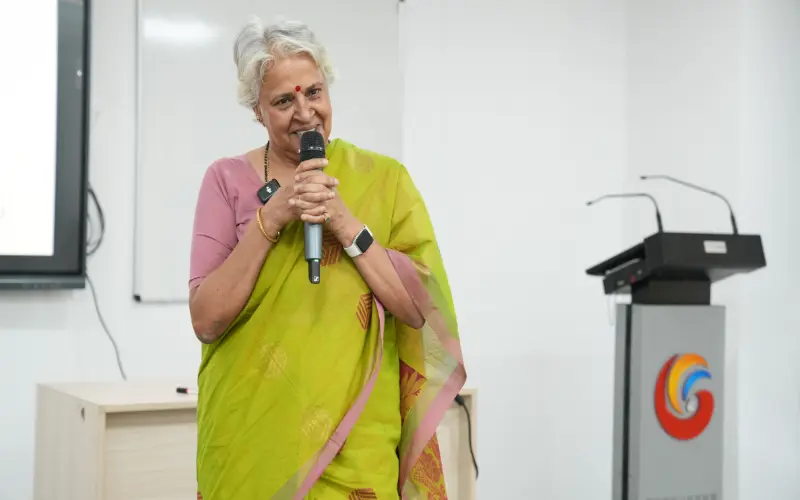
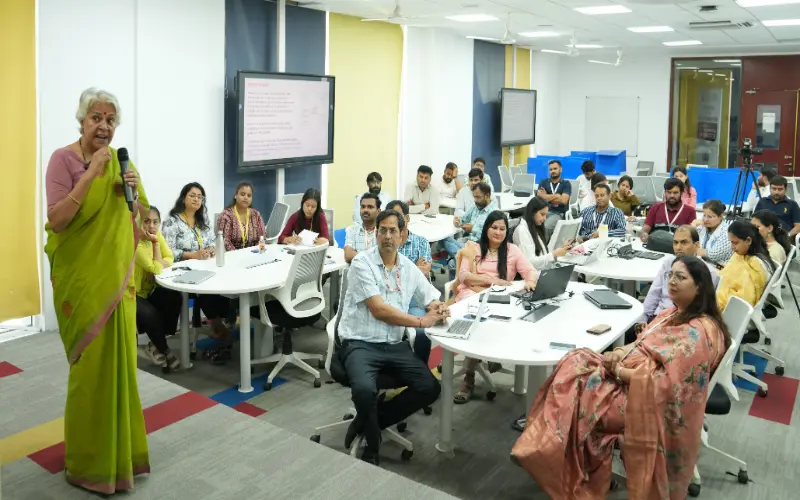
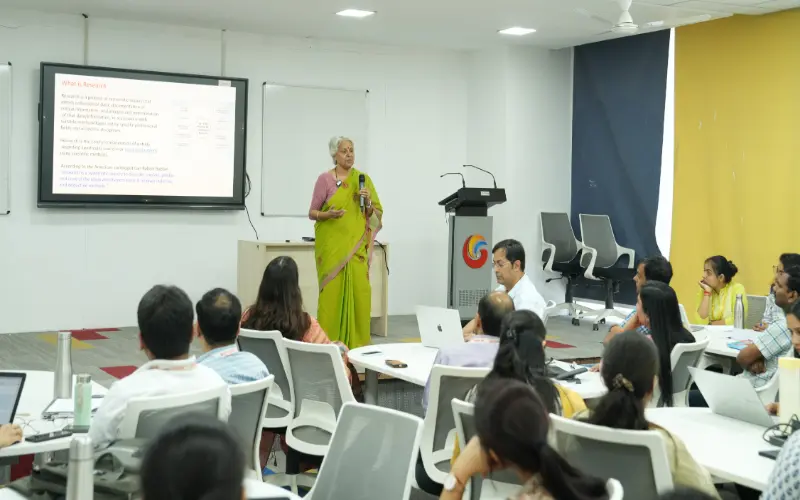
The workshop on “Research Proposal writing” was organized by the School of Basic Sciences to provide participants with a comprehensive understanding of research methodology, innovation, and effective proposal writing. The speaker Dr Shashi Bala focused on the importance of research as a systematic process of identifying problems, collecting and analyzing data, and generating scientifically validated solutions. It also highlighted innovation as the practical application of research outcomes to address real-world challenges in a cost-effective and socially beneficial manner.
The session covered different types of research, including basic, applied, translational, and clinical research, with special emphasis on translational research for converting scientific discoveries into practical applications. Participants were guided through the essential steps of writing a strong research proposal, such as problem identification, literature review, defining aims and objectives, methodology selection, budgeting, timeline preparation, expected outcomes, ethical considerations, and funding agency identification.
The workshop also stressed the importance of interdisciplinary collaboration, sharing of ideas, and collective problem-solving in modern research. Common mistakes in proposal writing, such as unrealistic objectives and weak methodology, were discussed. Overall, the event encouraged researchers to develop innovative, impactful, and socially relevant research proposals for national and global development.
The workshop on “Research Proposal writing” was organized by the School of Basic Sciences with the objective of providing participants a comprehensive understanding of the research process, innovation strategies, and the essential principles of writing an effective research proposal. The event served as an important academic platform for students, researchers, and faculty members to learn how scientific ideas can be transformed into meaningful research projects and practical innovations that benefit society.
The session by Dr Shashi Bala began with an introduction to the concept of research, explaining it as a systematic inquiry aimed at describing, explaining, predicting, and controlling phenomena through scientifically validated methods. It was emphasized that research is not limited to data collection alone but also involves interpretation, analysis, and the generation of useful knowledge. Along with research, the importance of innovation was strongly highlighted. Participants were encouraged to focus on cost-effective, scalable, and socially relevant innovations. The speaker explained that innovation depends on curiosity, observation, and the ability to identify and solve real-life problems creatively.
The workshop further explained the different types of research, including basic research, applied research, translational research, and clinical research. Special attention was given to translational research, which acts as a bridge between laboratory discoveries and real-world applications. It was discussed how scientific findings must eventually contribute to society by improving quality of life and solving practical challenges in fields such as healthcare, energy, environment, and technology.
A major part of the workshop focused on the structure and preparation of a research proposal. Participants were guided through each step required for developing a strong and fundable proposal. The process begins with problem identification, where a clear and relevant research problem must be defined. This is followed by a thorough literature review to analyze national and international research and identify research gaps. The distinction between aim and objectives was clearly explained, with the aim representing the overall goal and objectives representing the specific steps needed to achieve it.
Further discussion included defining the scope and limitations of the study, selecting appropriate and reproducible methodologies, planning realistic timelines, and preparing proper budgets. Budget planning was explained in terms of CapEx (Capital Expenditure) and OpEx (Operational Expenditure), ensuring that researchers understand financial planning in project proposals. The importance of identifying suitable funding agencies such as DST, DBT, ICMR, and DRDO was also discussed, along with aligning the proposal according to their priorities.
The workshop also emphasized ethical considerations, the role of preliminary data in strengthening proposal credibility, and the importance of proofreading and presentation for maintaining clarity and professionalism. Participants were made aware of common mistakes in proposal writing, such as over-ambitious planning, unclear objectives, poor methodology, weak literature review, unrealistic budgeting, and ignoring proposal guidelines.
One of the most valuable lessons from the workshop was the importance of interdisciplinary collaboration and collective problem-solving. The speaker highlighted that modern research is increasingly multidisciplinary and multi-institutional, and impactful outcomes are achieved through collaboration rather than competition. Open sharing of ideas, discussions with peers and experts, and building strong research teams were encouraged as essential elements of successful research.
The workshop concluded with the message that research should not remain confined to laboratories but must aim for innovation and societal impact. By promoting collaboration, creativity, and practical problem-solving, researchers can develop projects that are scientifically strong, socially meaningful, and globally relevant. The event provided valuable guidance and inspiration for participants to strengthen their research capabilities and proposal writing skills.
Department Name: School of Basic Sciences
Event Outcome
Participants developed a clearer understanding of the different types of research, particularly the importance of translational research in converting scientific discoveries into practical applications that benefit society. The session also strengthened awareness about selecting suitable funding agencies, preparing impactful project titles, incorporating ethical considerations, and presenting proposals professionally.
A major outcome of the event was the encouragement of innovative thinking and problem-solving approaches. Participants were motivated to focus on cost-effective, scalable, and socially relevant research ideas rather than purely theoretical investigations. The workshop also emphasized the importance of interdisciplinary collaboration, idea-sharing, and teamwork, helping attendees recognize the value of collective problem-solving in achieving successful research outcomes.
Additionally, the discussion on common mistakes in proposal writing helped participants understand how to avoid weak methodologies, unrealistic objectives, poor budgeting, and insufficient literature reviews. This improved their confidence in preparing strong, fundable, and impactful research proposals.
Overall, the workshop created greater awareness about the role of research and innovation in national development and societal progress, inspiring participants to pursue high-quality, meaningful, and globally relevant research work.
Related Goal