
Hands on training on PLC & SCADA
Event Date: 10th June 2025 in C-block, C-344 at 1:10-5:30 pm
Event brief description
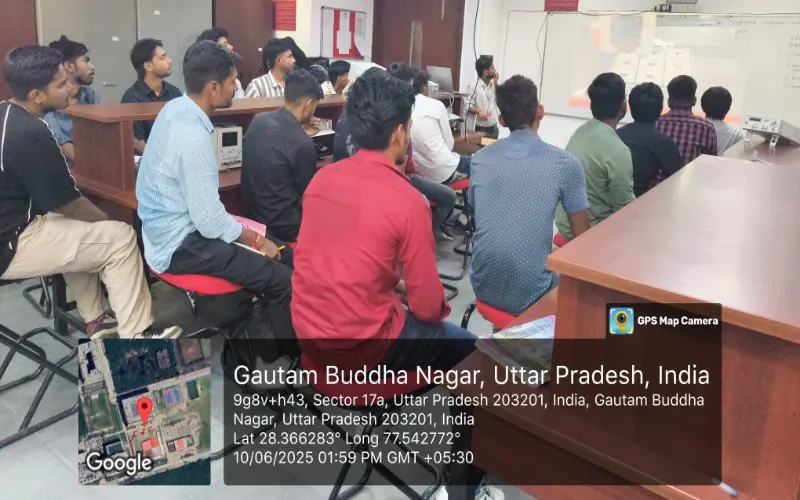
The Department of Electrical, Electronics and Communication Engineering, Galgotias University organized “Hands on training on PLC & SCADA” held at C block C-344 at 1:10-5:30 pm, Galgotias University.
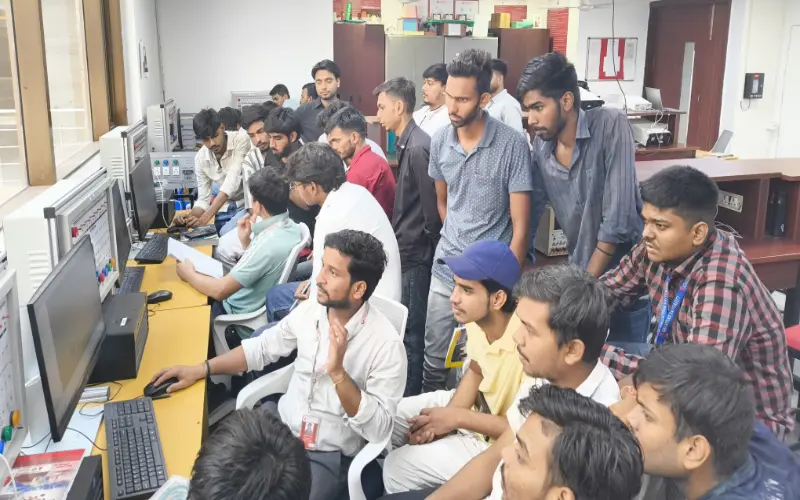
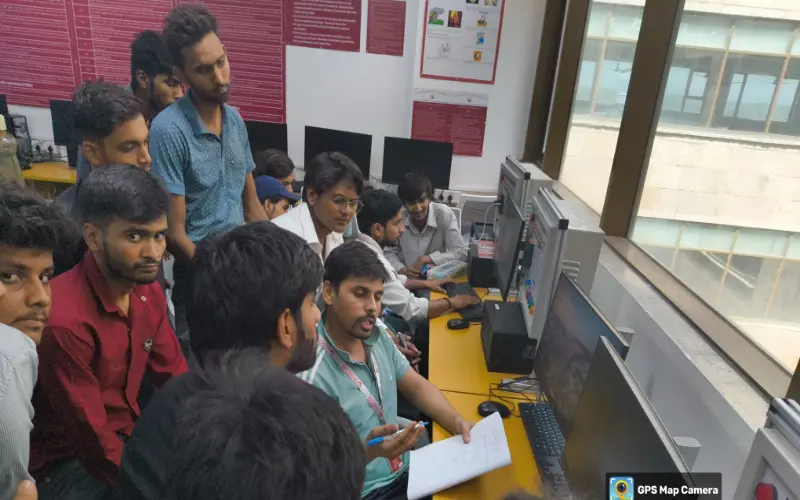
The Hands-On PLC & SCADA Training is a focused, immersive workshop designed for diploma students in Electrical Engineering to bridge theoretical learning with industrial automation skills. Over the course of the program, participants will engage with state-of-the-art PLC hardware (such as KINCO PLC), learning ladder logic programming, I/O wiring, timers, counters, and fault diagnostics. They will also configure SCADA systems—connecting PLCs to supervisory software, developing HMI screens, setting alarms, and monitoring real-time and historical data—gaining valuable insight into system architecture and field signal integration. By the end, students will have completed a practical automation project (for instance controlling pumps or conveyors), troubleshoot real-world scenarios, and understand communication protocols like Modbus and industry best practices. This hands-on, equipment-driven approach, supplemented with case studies and instructor-led demos, equips them with competencies in PLC and SCADA technologies, significantly enhancing their readiness for roles such as instrumentation or automation technician.
Event Detailed Description
The Department of Electrical, Electronics and Communication Engineering, Galgotias University organized “Hands on training on PLC & SCADA” held at C block C-344 at 1:10-5:30 pm, Galgotias University.
The Hands-On PLC & SCADA Training (Kinco Edition) is a deeply immersive workshop tailored for diploma students in Electrical Engineering, featuring direct experience with Kinco PLC systems—including K5/K6 CPUs and MK-series HMI+PLC panels. Participants will learn to program ladder logic, timers, counters, PTO/PWM, and PID control using Kinco Builder, while also mastering I/O setup, RS-485/CANbus, Modbus RTU/TCP, Ethernet networking, and CoDeSys compatibility. The training extends to SCADA integration: designing HMIs, alarms, data logging, and remote monitoring (Ethernet/VNC/cloud) to fully simulate industrial control systems. Through a hands-on capstone automation project—such as pump/valve control or conveyor operation—students will wire hardware, write code, troubleshoot simulated faults, debug PLC and SCADA flows, and implement best practices. The program is guided by experienced industry professionals, enabling students to thoroughly grasp Kinco PLC architecture, HMI design, industrial networking, and end-to-end SCADA frameworks.
Career Benefits for Electrical Engineering Students:
- Increased employability: PLC programming roles are in high demand; PLC programmers have strong earning potential in sectors like manufacturing, utilities, and process control.
- Diverse job pathways: Graduates can pursue roles such as PLC Programmer, Automation Engineer, Instrumentation Technician, and SCADA Engineer—all naturally aligned with electrical diploma credentials.
- Specialized skill set: Hands-on experience with Kinco systems and SCADA integration sets students apart, especially as industrial automation evolves with IoT, smart systems, and cybersecurity challenges.
- Transition to higher-level roles: Proficiency in SCADA and industrial networking opens doors to advanced positions like Control Systems Architect, SCADA Cybersecurity Specialist, or Automation Project Manager.
- Adaptability & lifelong learning: The course builds critical thinking, debugging skills, and familiarity with industry protocols—preparing students for evolving tech landscapes and continuous professional growth.
Department Name – Department of Electrical, Electronics & Communication Engineering
Event Outcome: PLC Programming Mastery: Students will confidently develop and debug ladder logic (timers, counters, PTO/PWM, PID) on Kinco hardware while wiring I/O modules and establishing industrial communication networks.
- SCADA Integration Skills: Participants will build functional HMIs, configure alarms and data-logging, and link PLCs to SCADA platforms via Modbus/Ethernet for real-time monitoring.
- Hands-On Capstone Project: Learners will design, wire, program, and commission a complete automated system (e.g., pump or conveyor), applying real-world troubleshooting and system integration.
- Career-Ready Credentials: Graduates gain in-demand skills and certifications, making them ideal candidates for roles such as PLC Technician, Automation Engineer, or SCADA Specialist with strong career growth potential.
Related Goal