Summer School on Scientific Innovations- Hands-on Training Pharmaceutical Tools, Cancer Biology, Modern Analytical Techniques, Drug Design & Scientific Writing
Event Date: 21st July – 25th July 2025
Event brief description
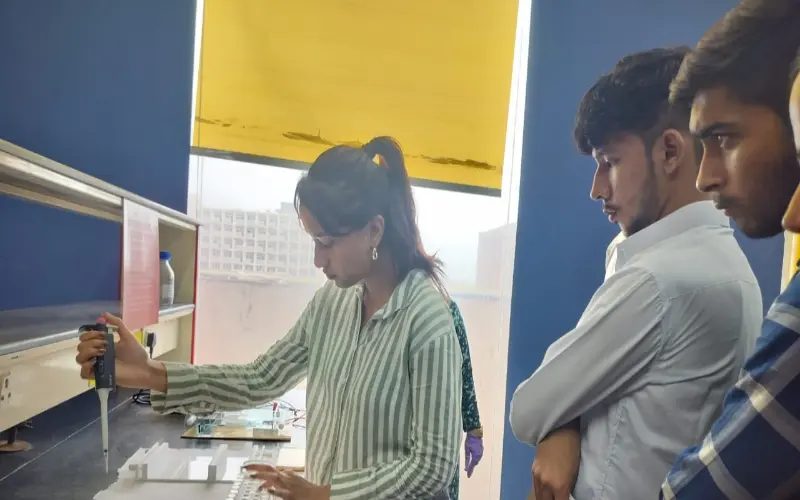
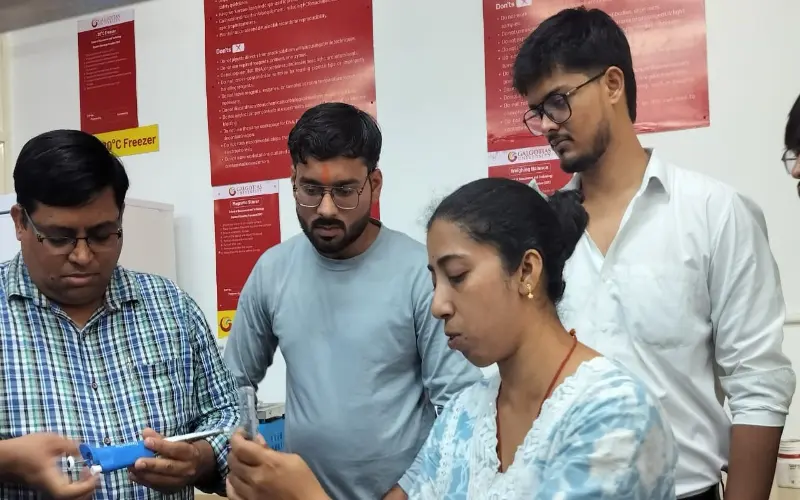
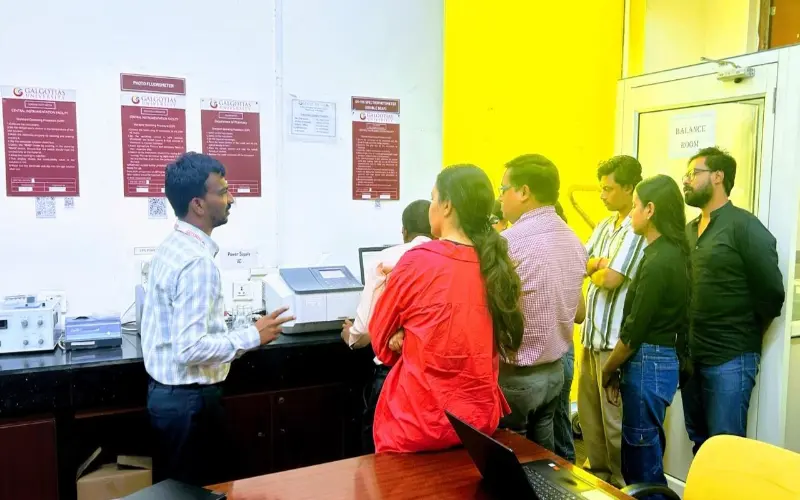
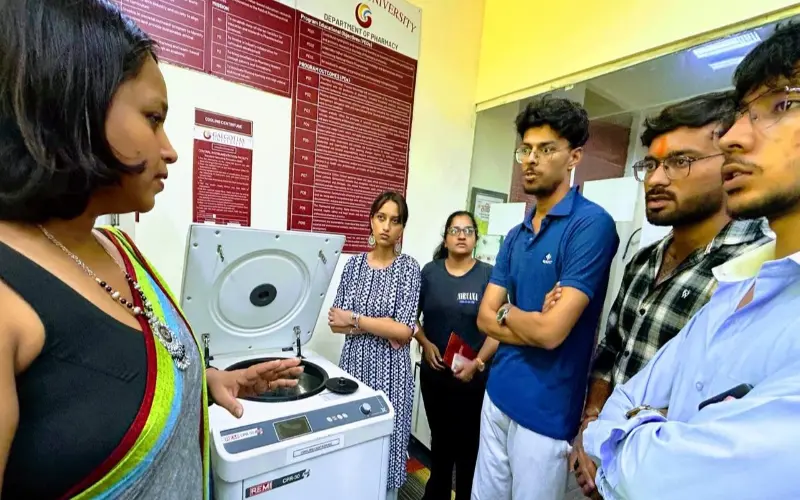
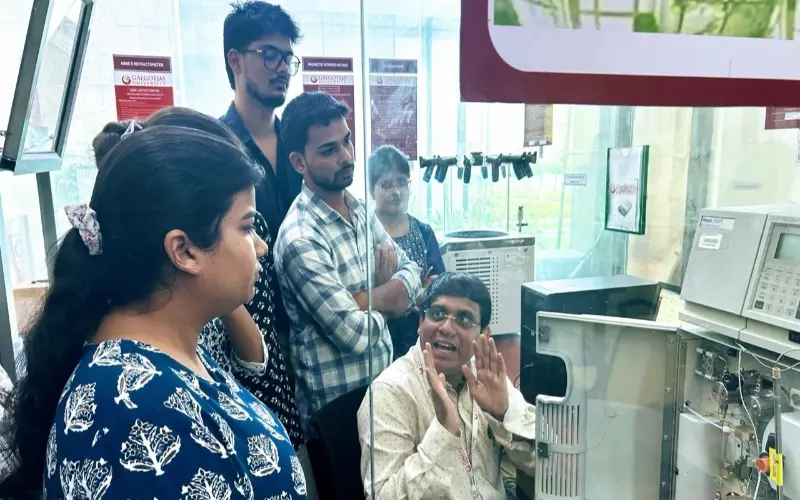
The Hands-on Training Pharmaceutical Tools, Cancer Biology, Modern Analytical Techniques, Drug Design & Scientific Writing program is designed to equip participants with the skills needed to operate advanced scientific instruments, analyze complex data, and write high-quality research papers. This program integrates practical training with theoretical knowledge, ensuring participants to gain a strong foundation in research methodologies. Additionally, the program also enrich the participants with hands on training on Cancer Biology. Participants receive hands-on training in cutting-edge instruments such as Probe Sonicator, HPLC, Brookfield Viscometer, Cooling Centrifuge, FTIR and Rotary Evaporator. Additionally, they explore essential research software, including DoE (Design of Experiments), Drug Design (for in silico studies), Turnitin and Biorender (for graphical abstracts). Through this, they develop expertise in instrument calibration, maintenance, troubleshooting and data acquisition. A key focus of the program is data interpretation, where participants learn to critically analyze datasets using statistical methods and research tools. Understanding how to derive meaningful insights from experimental data is crucial for making informed research decisions. The program also emphasizes scientific writing, covering the structure of research papers, clarity in presenting results, and adherence to academic standards. Participants receive guidance on overcoming writing challenges and successfully publishing in peer-reviewed journals. By combining hands-on experience, analytical skills, and writing expertise, this program empowers researchers to conduct high-quality studies and effectively communicate their findings
Event Detailed Description
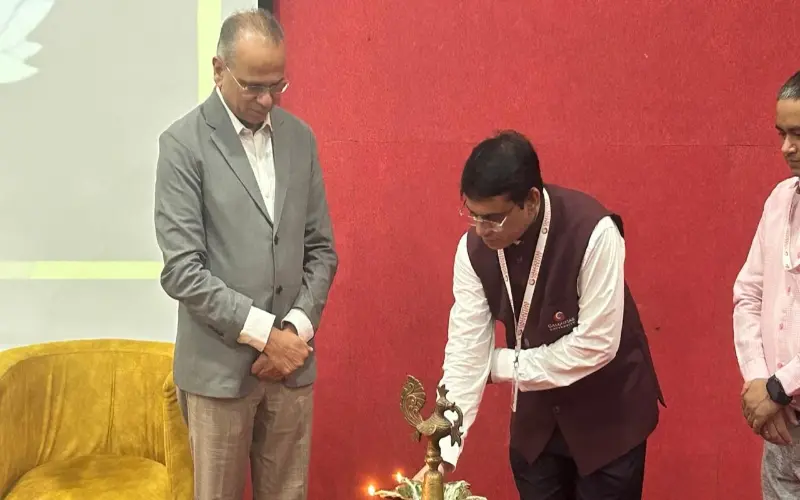
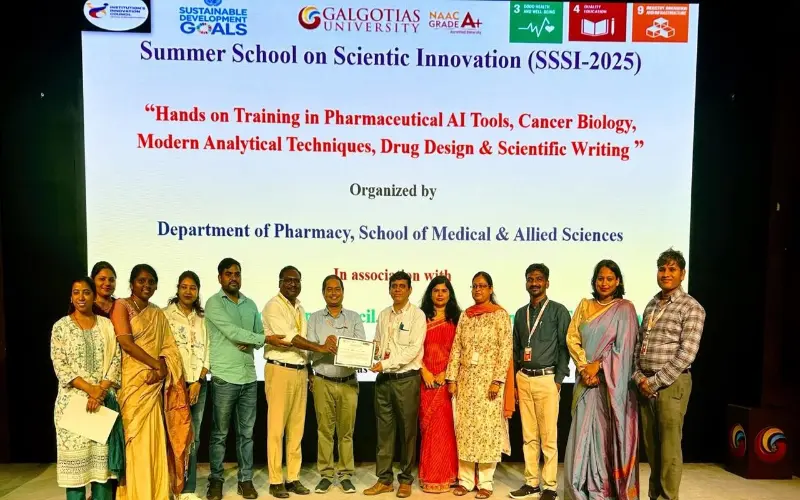
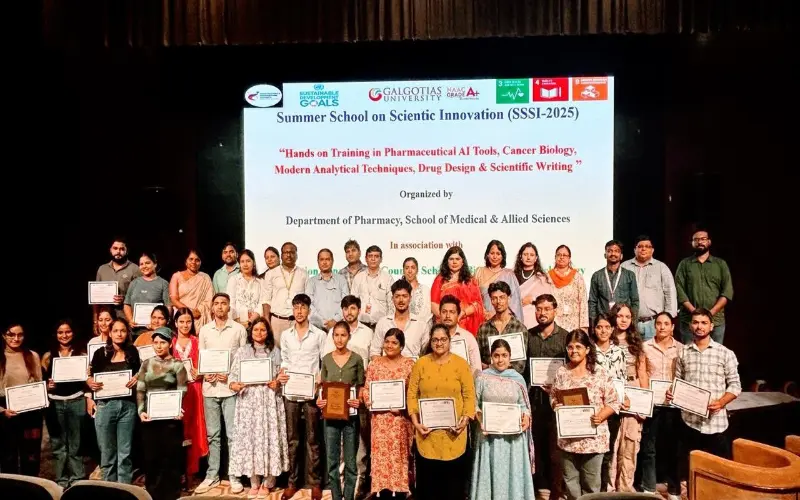
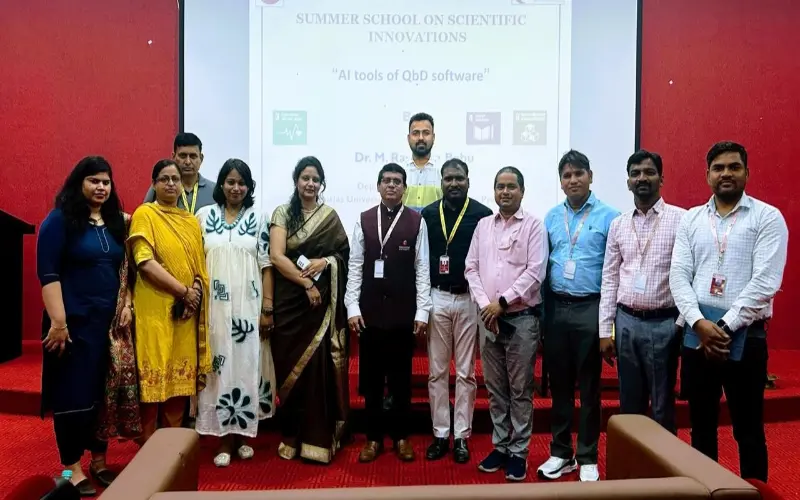
The Summer School on Scientific Innovations was successfully organized from 21st to 25th July 2025, offering an intensive and immersive five-day hands-on training program in key areas of pharmaceutical sciences and biomedical research. Hosted with great enthusiasm and academic rigor, the program brought together participants from various institutions including Central University of Haryana, Sharda University, GIMS Gautham Budhh Nagar, Mangalayatan University, University of Glasgow etc. and backgrounds, all keen to enhance their knowledge and practical skills in pharmaceutical tools, cancer biology, modern analytical techniques, drug design, and scientific writing. The event was distinguished by the participation of eminent resource persons from Galgotias University, who shared their expertise and insights across various specialized domains. Each day of the program was structured to include two sessions, ensuring a balanced yet comprehensive exposure to both theoretical foundations and hands-on practices.
The sessions were thoughtfully curated to facilitate active engagement, learning, and collaboration. The morning sessions typically began with conceptual overviews and foundational discussions, while the afternoon sessions were devoted to practical demonstrations, interactive workshops, and real-time applications of the tools and techniques discussed earlier. This dual-format approach not only helped reinforce the understanding of complex topics but also allowed participants to gain confidence in applying these concepts in real-world research scenarios.
To ensure a comfortable and conducive learning environment, the organizing team made excellent arrangements, including working lunch and refreshments, which were provided to all participants daily. These breaks served as valuable networking opportunities, where participants interacted informally with the speakers, peers, and facilitators, further enriching the collaborative spirit of the event.
A key feature of the summer school was its emphasis on participant involvement and performance evaluation. To uphold the academic integrity of the program, certificates of participation were awarded only to those who fulfilled the mandatory attendance criterion of 90%, ensuring that recipients had genuinely engaged with the content throughout the event. On the final day, an assessment was conducted to evaluate the learning outcomes and knowledge gained by each participant over the course of the program. This assessment served both as a feedback mechanism and a motivator, encouraging participants to actively absorb and reflect upon the material presented during the week.
In recognition of excellence, the two best-performing participants in the assessment were specially honored with certificates and mementos, acknowledging their outstanding performance and dedication. This gesture of appreciation added a note of encouragement and celebration to the academic atmosphere, inspiring others to strive for excellence in their respective fields.
The program concluded on a high note with a formal vote of thanks, delivered by the organizing committee, expressing gratitude to the management of Galgotias University, all the resource persons, participants, support staff of the event. The summer school was officially closed with the resonant and patriotic rendition of the National Anthem, marking the end of an enriching, productive, and memorable learning experience. The event not only imparted valuable scientific knowledge but also fostered a culture of inquiry, collaboration, and innovation among the next generation of researchers
Department Name: Department of Pharmacy and Institutions Innovation Council, School of Biosciences and Technology
Event Outcome
Participants gained hands-on experience with advanced pharmaceutical tools and software such as Quality by Design (QbD), Turnitin, BioRender, and Mendeley, improving their technical competency in drug research and scientific documentation.
The sessions provided in-depth insights into the fundamentals and current research trends in cancer biology, enhancing participants' understanding of cancer mechanisms, biomarkers, and therapeutic targets.
Participants became familiar with various modern analytical techniques used in pharmaceutical and biomedical research, fostering practical knowledge of instrumentation and data analysis.
The training included practical aspects of drug design and development, enabling participants to understand the strategies used in molecular modeling and rational drug development.
Focused training on scientific writing helped participants learn how to structure research papers, avoid plagiarism using Turnitin, and cite sources effectively using Mendeley, thereby improving their publication skills.
Use of BioRender helped participants develop skills in creating professional-grade scientific illustrations, aiding effective visual communication of complex biological processes.
Sessions on Turnitin and academic integrity fostered awareness of plagiarism issues and ethical research practices, encouraging responsible scientific conduct.
The program facilitated interdisciplinary collaboration and networking among participants and experts, promoting knowledge sharing and future research opportunities.
Related Goal