Five Days Certified Training Program on Mediation In collaboration with AIIMAS
Event Date: 10th November 2025
Event brief description
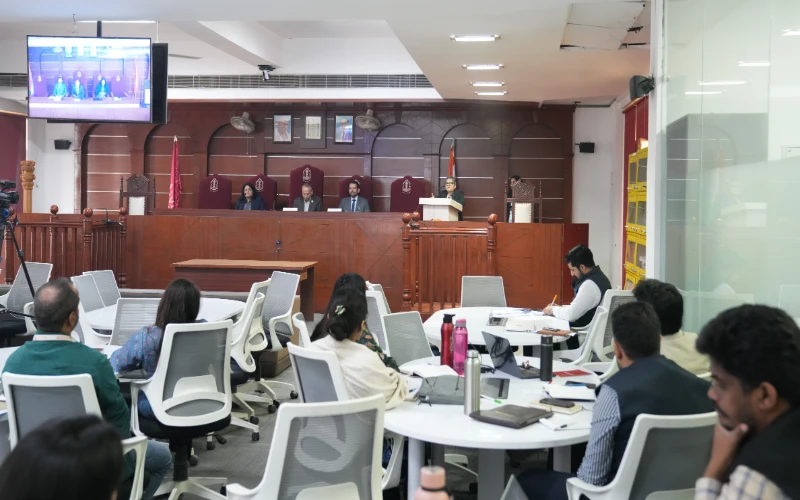
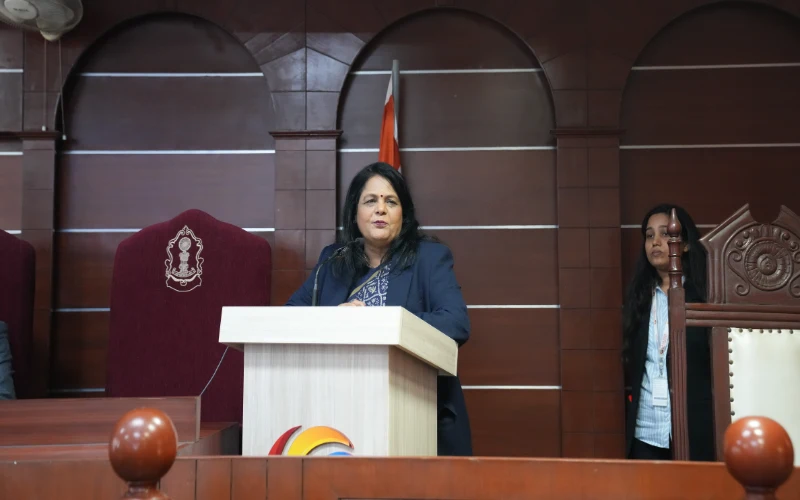
The Five Days Certified Training Program on Mediation, organized by the School of Law, Galgotias University, in collaboration with AIIMAS, commenced with an inspiring address by the Dean, School of Law, who emphasized the growing importance of mediation in the Indian legal system as a tool for promoting harmony and justice. The Hon’ble Vice-Chancellor of Galgotias University highlighted the essential skills required for effective mediation and how they contribute to the development of empathetic and solution-oriented legal professionals.
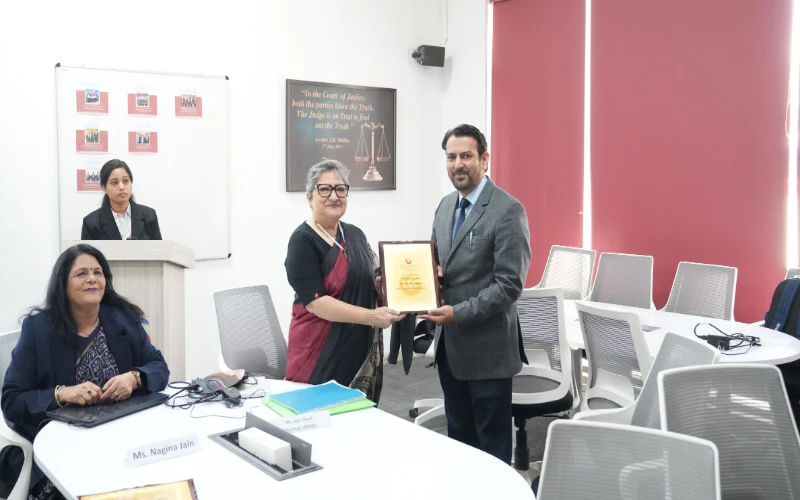
Although Justice J.R. Midha was unable to join in person, he shared a video message expressing his appreciation for AIIMAS and commending the University’s efforts to strengthen dispute resolution education. Ms. Jaya Goyal introduced the structure of the 40-hour certified training, elaborating on the significance of managing conflicts constructively through mediation. Ms. Nagina Jain followed with a thought-provoking session on how mediation skills are transferable to various aspects of personal and professional life.
The first session explored the history and evolution of mediation, followed by an engaging discussion on conflict dynamics and the Thomas-Kilmann Conflict Mode Instrument. Participants also examined statutes governing ADR, differences among ADR mechanisms, and key cases such as Salem Advocate Bar Association v. Union of India and Afcons Infrastructure Ltd., concluding the day with an insightful evening session on understanding mediation practice.
Event Detailed Description
The Five Days Certified Training Program on Mediation, organized by the School of Law, Galgotias University in collaboration with the All India Institute of Mediation and Arbitration Studies (AIIMAS), commenced with great enthusiasm and participation from students and faculty members. The program is designed as a 40-hour certified course to provide participants with theoretical understanding and practical exposure to the process and techniques of mediation as an alternative dispute resolution (ADR) mechanism.
The event began with an insightful welcome address by the Dean, School of Law, who underscored the importance of mediation in today’s legal landscape. He highlighted how mediation promotes access to justice, reduces the burden on courts, and nurtures the spirit of cooperation and communication essential for resolving disputes peacefully. The Hon’ble Vice-Chancellor of Galgotias University in his address emphasized the critical role of mediation skills such as empathy, communication, and negotiation in shaping the future of young legal professionals. He encouraged students to view mediation not just as a legal process but as a life skill that enhances problem-solving and emotional intelligence.
Although Justice J.R. Midha could not attend in person, he sent a heartfelt video message conveying his appreciation for AIIMAS and commending Galgotias University for promoting a culture of peaceful dispute resolution. His message emphasized the growing relevance of mediation in India’s evolving justice system and the need for trained mediators who can facilitate fair and effective settlements.
Following this, Ms. Jaya Goyal introduced the structure and objectives of the 40-hour training program. She explained how mediation involves understanding conflicts, identifying underlying interests, and guiding parties toward mutually acceptable solutions. She elaborated on the importance of neutrality, confidentiality, and communication in mediation practice. Her address was followed by Ms. Nagina Jain, who delivered an engaging session on how mediation skills—such as active listening, patience, and emotional regulation—are transferable to various aspects of life, making individuals more effective in both personal and professional settings.
The academic sessions began with an introduction to the history and evolution of mediation, tracing its roots from ancient dispute resolution traditions to modern institutional frameworks. The second session delved into the nature of conflict, exploring models such as the Thomas-Kilmann Conflict Mode Instrument (TKI) to help participants identify different conflict-handling styles and their impact on resolution outcomes. The training further explored the statutory framework governing ADR in India, discussing relevant provisions under the Civil Procedure Code, the Arbitration and Conciliation Act, 1996, and recent judicial developments.
Participants also engaged in discussions comparing various ADR mechanisms, understanding the differences between arbitration, conciliation, negotiation, and mediation. Landmark cases such as Salem Advocate Bar Association v. Union of India and Afcons Infrastructure Ltd. v. Union of India were analyzed to highlight judicial endorsement and procedural evolution of mediation in India.
The day concluded with an interactive evening session providing a comprehensive understanding of mediation practice, setting the tone for the upcoming days of intensive training, role-plays, and skill-building exercises aimed at preparing participants to act as effective mediators in real-life disputes.
Department Name –School of Law
Event Outcome
The Five Days Certified Training Program on Mediation successfully enhanced participants’ understanding of mediation as a vital tool for conflict resolution. Students gained practical insights into communication, negotiation, and problem-solving through interactive discussions and case studies. The sessions equipped them with the ability to identify conflicts, manage emotions, and facilitate constructive dialogue between disputing parties. The program fostered a deeper appreciation of mediation’s role in reducing court burdens and promoting restorative justice. Participants left with enhanced confidence, ethical awareness, and transferable skills applicable not only in legal practice but also in professional and personal life situations.
Related Goal