Expert talk on Research in the Humanities & Religious studies
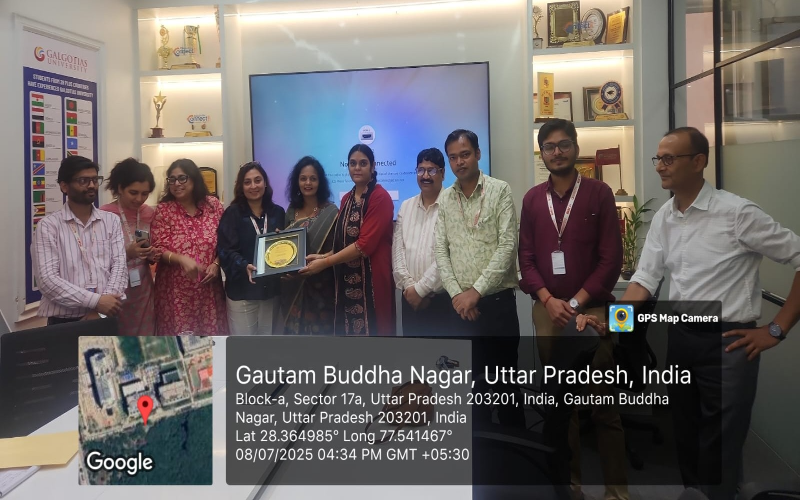
Event Date: 8 July 2025 3:00 PM
Event brief description
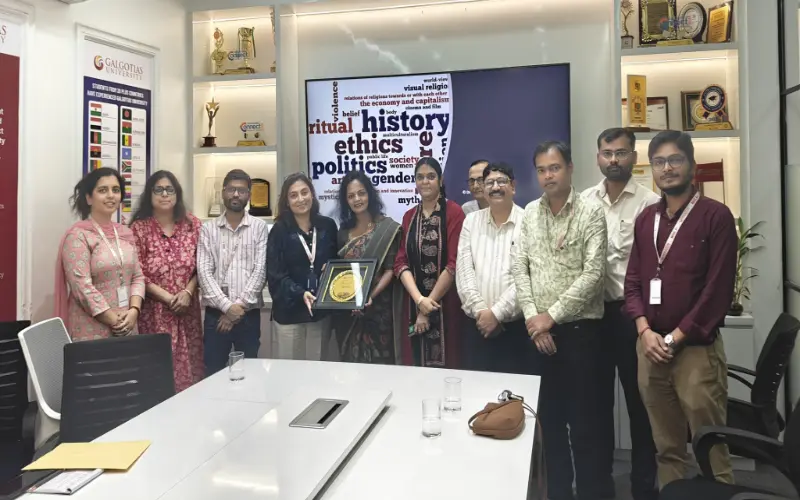
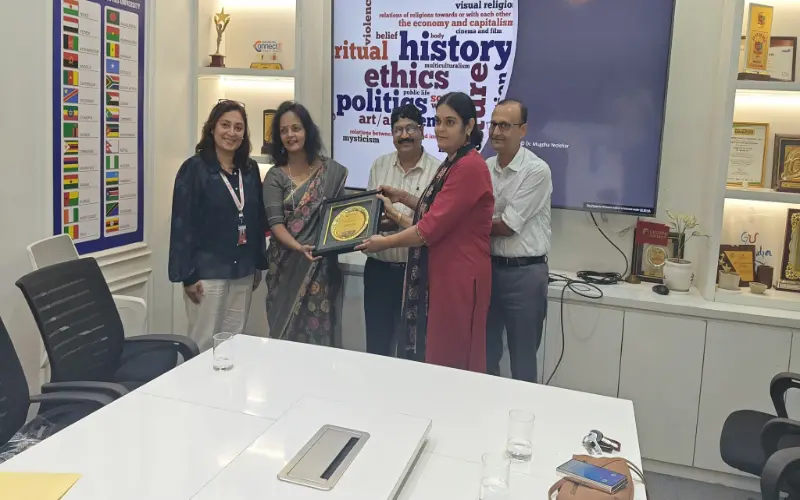
Dr. Yeolekar delivered a thought-provoking session on the significance of Religious Studies within the broader context of Humanities and Social Sciences. She emphasized how Religious studies is not just about theology, but a multidisciplinary field that explores the diverse ways in which religion shapes culture, identity, ethics and society.
Event Detailed Description
She emphasized how Religious studies is not just about theology, but a multidisciplinary field that explores the diverse ways in which religion shapes culture, identity, ethics and society.
Religious Studies as a critical lens to understand human behaviour and belief systems
The interdisciplinary nature of the field – blending history, philosophy, sociology, anthropology, and more
The need for nuanced and inclusive research in todays pluralistic world
Interactive Q&A Session:
SOLE faculty members enthusiastically participated in the interactive segment.
The session was more of an interactive session with hands-on activities involving – think-pair-share. The faculty were actively involved in innovative ideas around introducing the interdisciplinary course on Religious studies encompassing varied perspectives and approaches.
Department Name – School of Liberal Education
Event Outcome
Key Takeaways
- Religious Studies as a Multidisciplinary Field
Religious Studies extends beyond theology, incorporating perspectives from sociology, anthropology, philosophy, history, and political science to understand the multifaceted impact of religion on individuals and societies.
- Understanding Human Belief Systems
The study of religion offers critical insights into human behavior, values, and belief systems, thereby enhancing our understanding of cultural identity, social norms, and ethical frameworks.
- Importance of Interdisciplinarity
The session reinforced the need for an interdisciplinary approach in Humanities research, emphasizing that complex global issues require diverse academic lenses and collaborative inquiry.
- Contextual and Inclusive Research
In an increasingly pluralistic world, research in Religious Studies must be inclusive, context-sensitive, and aware of the lived experiences of diverse communities.
- Pedagogical Innovation
Faculty members discussed innovative teaching methods and course designs that could integrate Religious Studies into existing humanities curricula, fostering critical thinking and cultural awareness among students.
- Active Faculty Engagement
The interactive "think-pair-share" activities encouraged faculty to reflect on and share ideas, making the session highly participatory and practice-oriented.
- Contribution to SDGs
The talk aligned with key Sustainable Development Goals—especially SDG 4 (Quality Education), SDG 16 (Peace, Justice, and Strong Institutions), and SDG 17 (Partnerships for the Goals)—highlighting the societal relevance of Humanities research.
Related Goal